How to Apply for Roof Repair Help
A practical order of steps for applying to roof repair programs, from paperwork to the finished job.
Finding a program is only half the job. This page covers how to apply, what happens next and where applications usually stall.
Advertisement
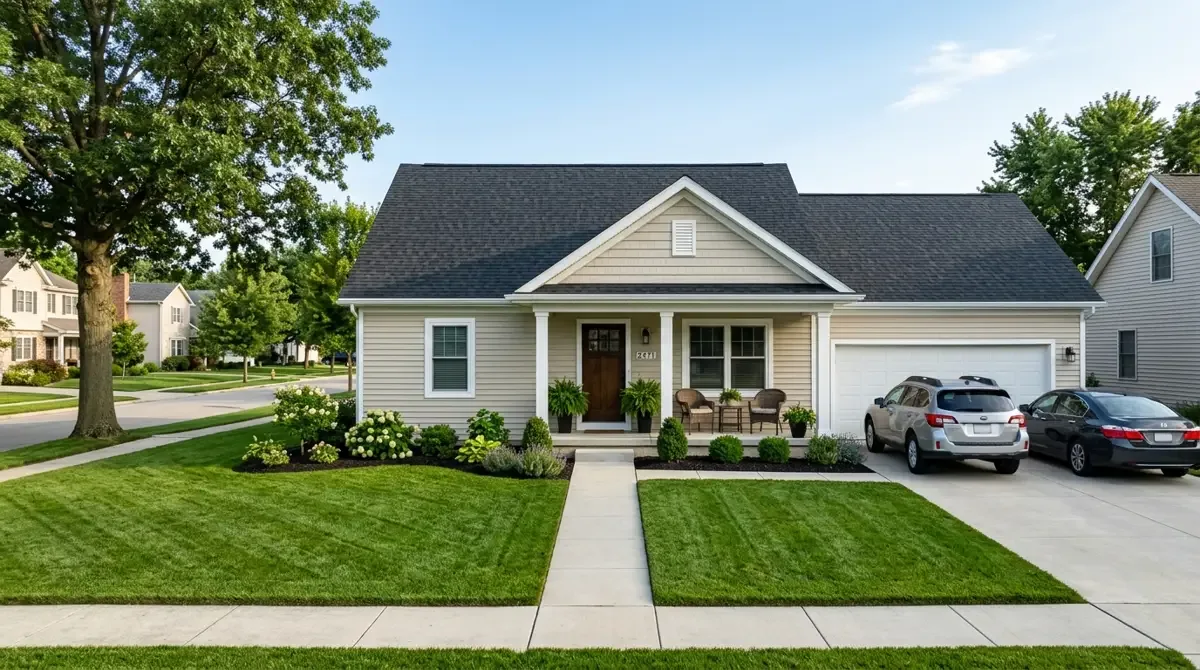
Roof assistance is spread across many agencies and charities, and each one has its own forms. The good news is that they ask for broadly the same information. If you gather it once and keep it in one place, applying to a second or third program takes a fraction of the time the first one did, and applying to several at once is what gives you the best chance of getting the work done.
Advertisement
Step 1: Protect the house and document the damage
Before any paperwork, limit further damage where you safely can. A tarp over a leaking section, a bucket under a drip and moving belongings away from wet ceilings all help. Do not climb onto the roof yourself if it is steep, wet or visibly failing; that is a job for a professional.
Then photograph everything. Programs and insurers both want to see the condition of the roof and the effect on the inside of the house. Take pictures in daylight, include something for scale, and note the date. Keep taking photographs as things change, because a record over time shows that the problem is getting worse.
Advertisement
- Outside: missing or curling shingles, sagging sections, damaged flashing and gutters
- Inside: ceiling stains, peeling paint, damp insulation in the attic, mould
- Any temporary repairs you have made, and when
- Receipts for tarps, materials or emergency call-outs
Step 2: Build one application folder
Nearly every program checks ownership, residence and income. Put the documents in one folder, paper or digital, and make copies so you never have to send the only original. If something is missing, such as a deed you cannot find, start on that now, because replacing it can take longer than the application itself.
- Photo identification for the homeowner
- The deed, a property tax bill or a mortgage statement showing ownership
- Proof that you live there, such as a utility bill in your name
- Income records for everyone in the household: tax returns, pay stubs, benefit letters
- Your homeowner insurance policy and any claim correspondence
- Proof of age, disability or veteran status if a program gives priority for it
Write a short summary on one page: your address, who lives in the house, total household income, what is wrong with the roof and when it started. Many intake calls ask exactly these questions, and having the answers in front of you makes the call shorter and more accurate.
Step 3: Get at least one written estimate
Several programs want to see what the work is likely to cost before they will look at an application, and even those that send their own inspector find an estimate helpful. Ask a licensed local roofer for a written estimate that describes the work, not just a total. Be clear that you are applying for assistance and are not signing a contract.
Do not pay a deposit or sign anything that commits you to a contractor at this stage. Many programs choose or approve the contractor themselves, and work that begins before approval is often not eligible for payment.
Step 4: Apply to several programs at once
Start with the housing or community development office for your city or county, then the state housing finance agency, then the local affiliates of national repair charities. If you live in a rural area, contact the state office of the Department of Agriculture about its repair program. Calling 211, the community information line that operates in most of the country, is another way to find local programs you might not otherwise hear about.
Keep a simple log of every contact: the date, the organisation, the name of the person you spoke to, what they asked for and what they said would happen next. Programs with waiting lists sometimes open without much notice, and a log makes it easy to follow up.
What happens after you apply
Most programs follow a similar sequence. First they confirm that you are eligible on income, ownership and residence. Then someone inspects the house to decide what work is needed and whether it fits the program. Some programs fix only the most urgent defects, while others address several problems at once.
If you are approved, you will usually be asked to sign an agreement. Read it carefully. For loans and forgivable loans, the agreement explains the repayment terms, how long you must stay in the house, and what happens if you sell or transfer it. Ask questions about anything you do not understand before signing, and ask for a copy to keep.
The work itself is carried out by a contractor the program has chosen or approved. When it is finished, there is normally a final inspection before the contractor is paid. If something is not right, report it before that inspection, not after.
Where applications stall
- Incomplete income records for one member of the household
- Ownership problems, such as a deed still in the name of a relative who has died
- Property taxes or a mortgage in arrears, which some programs treat as disqualifying
- Starting work with a private contractor before the program has approved it
- Missing a call or letter asking for more information
- Waiting for one program to answer before applying to the next
Ownership and tax problems deserve special attention, because they can block an otherwise strong application. If either applies to you, ask the program early whether there is a way to resolve it, since some offices can point you to legal aid or a payment plan.
If a contractor comes to you first
After storms in particular, some contractors knock on doors offering roofs paid for by a program or by your insurance. Be cautious. Real programs do not approve you before you have applied, and they do not ask you to sign a contract on the doorstep. Take the contractor's details, check them with your local licensing office, and contact the program or your insurer directly.
Can I apply if I have a mortgage?
Can I choose my own roofer?
What if I rent the house?
How long does the process take?
Your next step
Put your folder together this week and make the first call to your city or county housing office. Then use the federal overview of home repair programs to find the state and local offices that serve your address.


